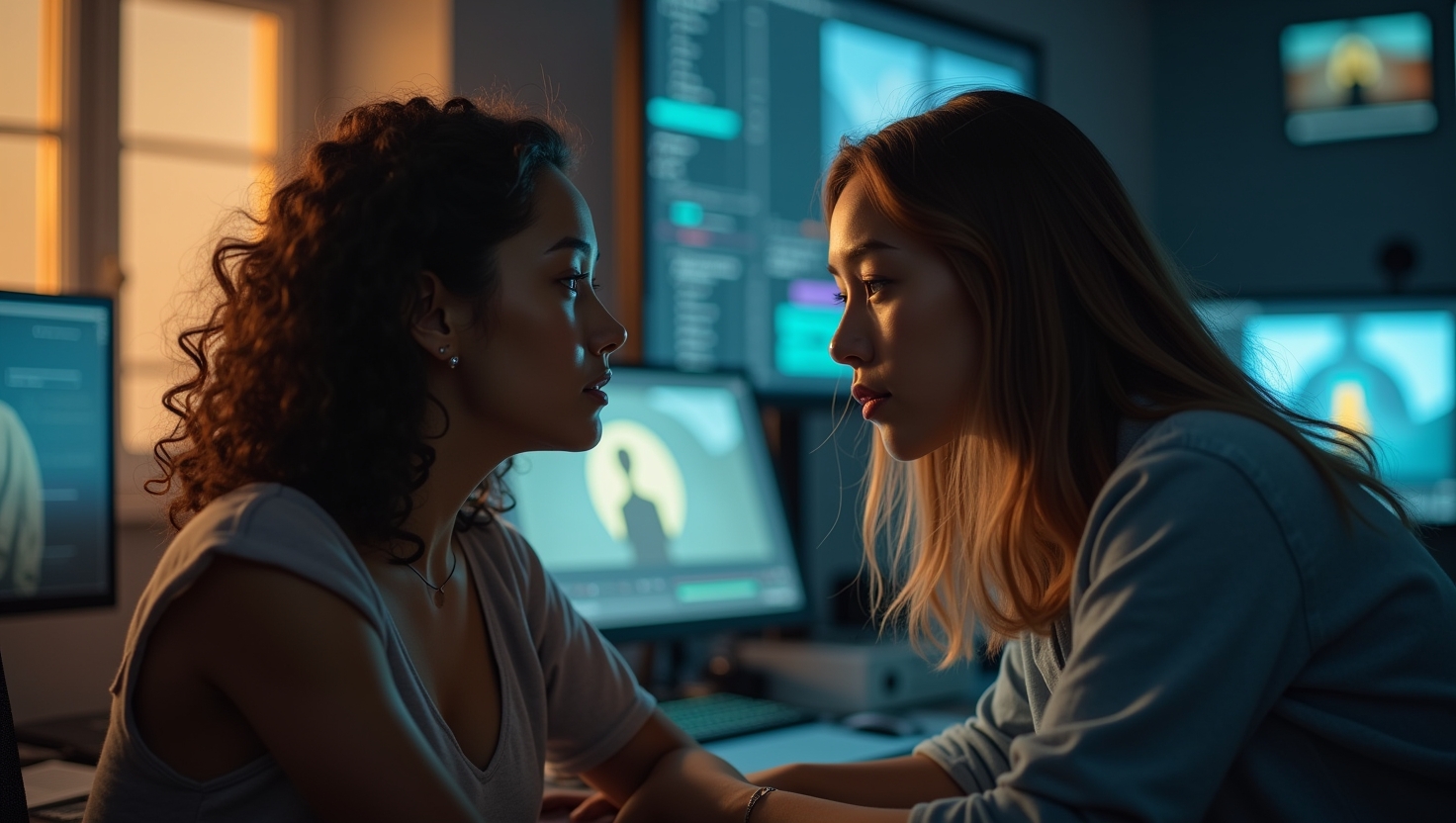
Video Editing AI: Transforming the Creative Landscape
Introduction
In the digital age, where visual content reigns supreme, Video Editing AI has emerged as a powerful catalyst in redefining content creation. As creators strive for originality and efficiency, AI tools play an instrumental role in unleashing unprecedented potential for video manipulation. Embracing advanced AI tools not only enhances productivity but also expands the boundaries of creativity, as demonstrated by innovative models like Netflix VOID. These tools are not just auxiliary components but foundational to the future of creative applications.
Background
The journey of video editing technology has seen transformative growth from simple linear editing techniques to complex software systems. This evolution paved the path for AI-driven tools, marking a significant milestone in how content is manipulated and presented. Netflix’s VOID model exemplifies this, offering cutting-edge capabilities like inpainting and video object removal, seamlessly erasing unwanted elements while maintaining visual continuity. Moreover, advancements such as CogVideoX further revolutionize the landscape, providing high precision in video editing tasks. These innovations not only streamline production but also push creative boundaries, shaping the very fabric of digital storytelling (Source: Marktechpost).
Trend
A significant trend observed today is the growing utilization of AI tools in video editing across various industries, including film and gaming. The fascination with sophisticated video manipulation techniques is not just a fleeting curiosity but a testament to the power of AI in achieving what was once impossible. Major platforms leverage AI to produce high-quality content faster and more efficiently. This push towards integrating AI in creative processes is akin to the industrial revolution’s impact on manufacturing—ushering in a new era of innovation and efficiency.
Insight
AI tools, such as the VOID model, are transforming workflows within the creative industry. These tools reduce the time and effort traditionally required for editing while enhancing the output’s quality and creativity. For instance, adhering to specific VRAM requirements, as noted in the Marktechpost, ensures optimized performance—40GB+ VRAM is recommended, with an A100 yielding the best results. This insight not only helps in effective implementation but also indicates the caliber of equipment necessary for achieving desired outcomes.
Forecast
Looking ahead, the future of Video Editing AI promises unprecedented possibilities. As AI technologies continue to evolve, we anticipate even deeper integration into content creation processes. Next-generation AI models could offer real-time editing capabilities, transforming raw footage into broadcast-ready material within minutes. The integration of AI tools into editing software will likely surpass current capabilities, further blurring the lines between reality and what’s digitally possible, akin to an artist achieving mastery over their canvas with each brushstroke.
Call to Action
For those keen to harness the power of AI in video editing, the time is now. Dive into resources that offer insights into setting up environments like the Netflix VOID model combined with CogVideoX for effective video object removal and inpainting pipelines. To begin your journey, explore the in-depth tutorial available at Marktechpost. Stay updated on industry trends to keep abreast of emerging tools and techniques, ensuring your skills remain sharp and relevant in this rapidly evolving domain.
Embrace Video Editing AI, and redefine what storytelling can be.